- Hai bisogno di informazioni?
- +39 335 414 678
- info@cinemacristiano.org

Oyuncuların masa seçiminde dikkat ettiği en önemli unsur, krupiyenin profesyonelliğidir; bettilt giriş en iyi krupiyelerle çalışır.
Türkiye’deki bahisçilerin güvenle tercih ettiği bettilt popülerliğini koruyor.
Her gün yeni içeriklerle zenginleşen bettilt aktif bir topluluğa sahiptir.
Rulet, blackjack ve slot oyunlarını deneyimlemek için bettilt sayfasına giriş yapılmalı.
Kullanıcılar sisteme hızlı giriş yapmak için bettilt linkini kullanıyor.
Does Pirots 5 Slot the Perfect Online Casino Option In-depth Review for UK
Maggio 10, 2026Big Bass Crash auf Profi-Niveau spielen: Fortgeschrittene Strategien für deutschsprachige Spieler
Maggio 10, 2026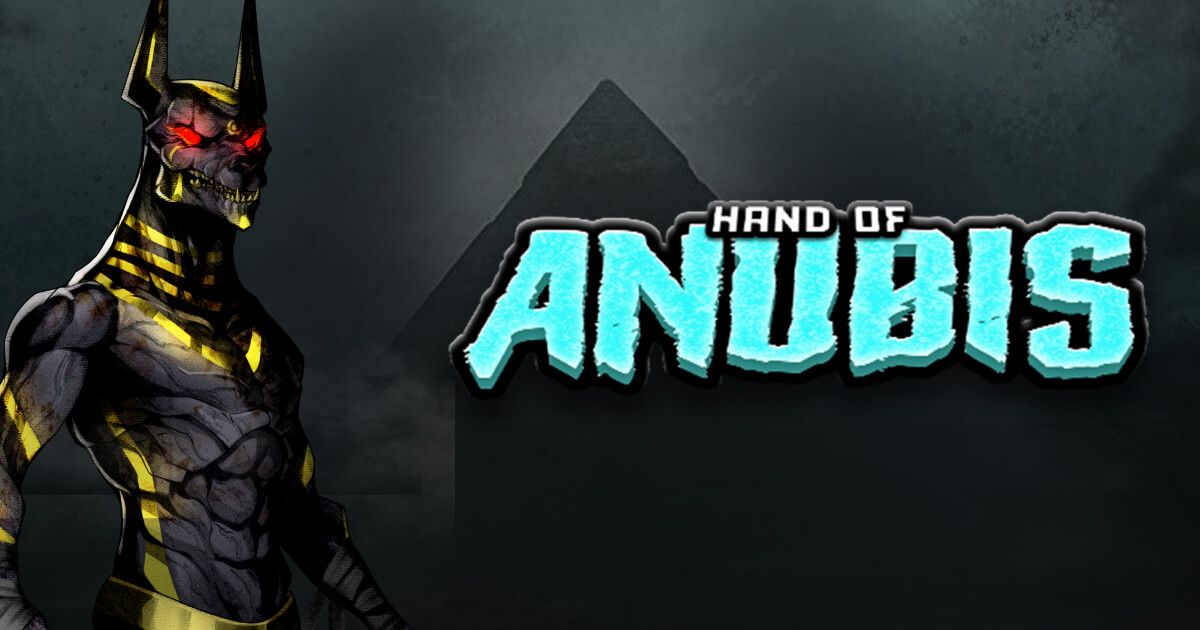
The British iGaming scene moves quickly. New slots keep appearing, their themes whizzing by like symbols on a screen. Yet one title has stuck, carving out a permanent home in the hearts of British gamers. slot hand of anubis has gone beyond just entertaining. It has forged a genuine emotional connection. This connection extends beyond its payment potential or stunning graphics, though it has an abundance of both. It clicks with something more profound in the British player’s mentality. It draws upon a love for history, a desire for a great narrative, and a admiration for games that view the player as an intelligent partner. For many, this slot is not merely another title. It’s a frequent visit, a well-known routine. It shows a clear understanding of what British gamers want from their gaming time.
Harmony with UK Player Standards: Justice and Openness
Reliance is non-negotiable for UK players. They are among the strictest and cautious gamblers globally. The emotional safety needed for real enjoyment depends on a game appearing just. Hand of Anubis creates this sense through clear mechanics. The “Hold and Win” feature, while dependent on randomness, displays its workings clearly. Symbols become fixed, respins are given, and the route to a win is apparent. This simplicity explains the process, aligning with the UK’s robust tradition of consumer rights. On top of that, its availability at respected casinos licensed by the UK Gambling Commission provides a layer of formal trust. Players can freely enjoy the game’s thrill because they aren’t bogged down by doubts about its fairness. This basis of assumed equity is essential. It enables the more intense emotional highs of anticipation and prize to establish themselves. The game’s disclosed Return to Player (RTP) percentage, a critical number for savvy UK players, is competitive and typically displayed clearly at licensed sites. The rules sidestep excessive complexity. Players feel they comprehend what’s happening, which diminishes anxiety and allows them to enjoy the game’s emotional experience without a nagging sense of being tricked.
Collective and Mutual Cultural Moments
The bond with this game isn’t limited to solo play. It extends into communities. On UK-focused casino forums, social media groups, and streaming channels, Hand of Anubis has become a frequent reference point. Players trade stories of big wins and agonising near-misses on the respin feature. They argue the best betting strategies and share screenshots of successful tomb raids. This community buzz amplifies everything. Observing another player from the UK hit a big win on the same grid creates a impression of shared possibility. The game transforms from a private hobby to a communal activity. Its reputation expands through word of mouth, creating a loop where popularity drives more emotional investment. The name “Hand of Anubis” itself becomes synonymous for a specific, quality experience within these circles. Popular UK streamers often feature the slot, creating live, collective moments of tension and celebration for thousands of viewers at once. These broadcasts often concentrate on specific, relatable situations that bolster the group bond. For instance:
- The frustrating “one symbol short” moment, where just one more Anubis symbol was needed for a major win.
- Continuous debates about bet sizing, with members sharing observations on how different stakes work with the game’s medium volatility.
- Triumphant posts about “tomb clears,” where players post videos of navigating the bonus round to its most profitable end.
Contrast with the “British Pub Fruit Machine” Legacy
Part of the psychological connection comes from how Hand of Anubis carefully diverges from a entrenched piece of UK gaming history: the traditional pub fruit machine or the fixed-odds betting terminal (FOBT). Those machines offered simpler, faster, and often more isolated experiences, famous for their high volatility. Hand of Anubis provides more sustained engagement. It has intricate bonus rounds and a more robust narrative thread. For a generation of players shifting from physical to digital gaming, this appears like an evolution. It provides the traditional thrill of the chase but combines it with the depth and production quality of a modern video game. This contrast positions it feel like a sophisticated upgrade. It fulfills a desire for more substantial entertainment while still delivering the core excitement that drew people to gaming in the first place. The game is astute about this. It includes sensory feedback that echoes physical machines, like the satisfying *clunk* of a locking symbol that mimics a physical reel stopping. But it layers this with far greater visual and narrative complexity. It connects a nostalgic past with a digital present, creating an emotional landscape that appears both reassuring and new.
Storytelling Depth in a Genre of Chance
Many slots depend on flash and noise. Hand of Anubis adds a story, and that story resonates with British players who have always appreciated a good tale. The setup is clear. You are an explorer in a tomb, guided and judged by the Hand of Anubis. This gives the action a sense of purpose that goes beyond lining up symbols. The bonus features, especially the Tomb Bonus Game, play out like chapters in an archaeological dig. This structure builds real emotional stakes. There’s the anticipation of what’s behind the next door, the tension of a judgement from the gods. For players who like to feel a sense of progress, it transforms the experience. It becomes a small-scale adventure rather than a random event. It caters to a taste for games with a clear structure, something the UK’s rich gaming culture, from detailed board games to narrative video games, has always prized. The story doesn’t feel forced. It grows naturally from the game’s own mechanics, making the whole thing feel cohesive and smart.
The Behavioral Aspect of the “Hold and Win” Mechanic
The game’s emotional core is the “Hold and Win” respin mechanic. This system plays skillfully with suspense and desire, two strong emotions in gaming. When special Anubis symbols land and remain locked, triggering a series of respins, a psychological bond is created. The locked symbols are a sure thing, a stable base. The respins are pure potential. This mix creates an engaging loop of tension and release. British players, who tend to be pragmatic but still love a fair thrill, respond well to this transparency. The sensory feedback from visuals and audio cements the effect. The satisfying *thud* of a symbol locking, the gleam of the respins beginning, it all builds a ritual that feels satisfying. The mechanic occupies a perfect middle ground. It seems nearly reliant on skill while remaining a game of luck, drawing the player into the result. It closes a divide between watching idly and engaging actively. Players find themselves mentally working out the possibilities of each new respin, a level of mental engagement that pure games of chance never deliver. This cognitive hook is what sustains engagement, round after round.
Sustained Relevance in a Dynamic Market
The UK iGaming market is constantly shifting. New titles debut every week. For Hand of Anubis to maintain its emotional grip, it called for built-in staying power. Its design fosters replayability in a few key ways. The core mechanic can produce a huge range of outcomes, so no two bonus round sequences are quite the same. The game’s medium volatility finds a sweet spot for UK players. It blends frequent smaller wins with the chance for larger payouts, maintaining engagement alive over time. Unlike games with a rigid story that concludes, its narrative is ambient. You can go through it endlessly without a feeling of closure. Because of this, it has sidestepped being a short-lived trend. Instead, it has become as a reliable, high-quality staple in many players’ line-ups. It’s a “go-to” game whose emotional resonance truly deepens with familiarity. The game’s structure enables different ways of playing, which aids its long-term appeal. We can spot this in a few common player approaches:
- The Session Player: Favors longer gameplay sessions. They lean into the medium volatility and engaging features for extended entertainment, valuing the consistent atmosphere the theme delivers.
- The Bonus Hunter: Zeroes in almost entirely on triggering the Tomb Bonus Game. They enjoy the skill-testing element of the picking round and the potential for big multipliers inside the tomb.
- The Community Participant: Plays partly for the outcome, but also to be part of the shared conversation. They seek those screenshot-worthy moments to post on forums and in social media groups.
A Common Fascination with Ancient Egypt
Britain has a enduring love affair regarding Ancient Egypt. You can witness it within the crowded Egyptian galleries of the British Museum and hear it in the documentaries that pack TV schedules. Hand of Anubis connects directly with this collective interest. It doesn’t use the theme as a superficial backdrop. It builds a whole world around the god of the afterlife. For players here, the image of sarcophagi, scarabs, and the majestic figure of Anubis isn’t just alien or foreign. It’s recognisable and profoundly interesting. This existing cultural link renders the game seem familiar from the first spin. It presents a form of interactive discovery, letting people play within a historical setting they previously enjoy. It meets a extensive curiosity about mythology and archaeology that flows through British media and teaching. The designers obviously did their groundwork. Symbols like the Eye of Horus or the Ankh convey an realistic feel, which is important to an audience that might already recognise them from books or films. This devotion to credibility helps players get absorbed in the game. They sense they are engaging with a respectful take on the myth, not a silly cartoon.
The importance of availability and device coverage
A game can’t build widespread emotional links if people struggle to locate it. Hand of Anubis managed this by being present across where UK players look. You will discover it on:
- The platforms of major UK online casinos that follow stringent advertising rules.
- Dedicated mobile casino apps, tailored for seamless gameplay on smartphones and tablets during a commute or a quiet evening at home.
- Newer social casino platforms, where its theme and gameplay mechanics draw in a less serious audience.
Visual and Audio Design Cohesion

Hand of Anubis creates its mood feeling thoughtfully through its look and audio, which matches UK preferences well. The artwork are detailed, intricate, and rich in mood. They eschew a garish, cartoon-like style, appealing to players who appreciate slick craftsmanship. The audio stands out. It features atmospheric melodies and ambient tomb effects to establish a feeling of place without becoming tedious or annoying, a frequent gripe about slot sound. This considered approach encourages the longer play spins common in the UK market, preventing sensory fatigue. The sound elements for payouts and feature activations have a hefty, satisfying quality, offering users the affirming feedback they require. This unified sensory experience generates a consistent ambience of intriguing exploration. Users deem it engaging and evocative, a marked upgrade from louder, less considered alternatives. The colour palette uses rich blues, golds, and desert hues that evoke both riches and aged debris. It steers clear of too bright primary colours that could undermine the theme. Even the animation of the Anubis paw itself counts. Its fluid motion as it reaches down to secure symbols carries a aura of divine authority. This minor element strengthens the concept’s authenticity and amplifies the visceral punch of the main feature.
